Ziyarat, and What It Involves
Ziyarat means visiting the places where the events of early Islam happened. It is not part of Umrah and it is not a rite — the Umrah itself is tawaf, sa’i and the cutting of hair at Masjid al-Haram. Ziyarat is the history around it, and most pilgrims make time for both.
11 sites
7 sites
across both cities
not a shared coach
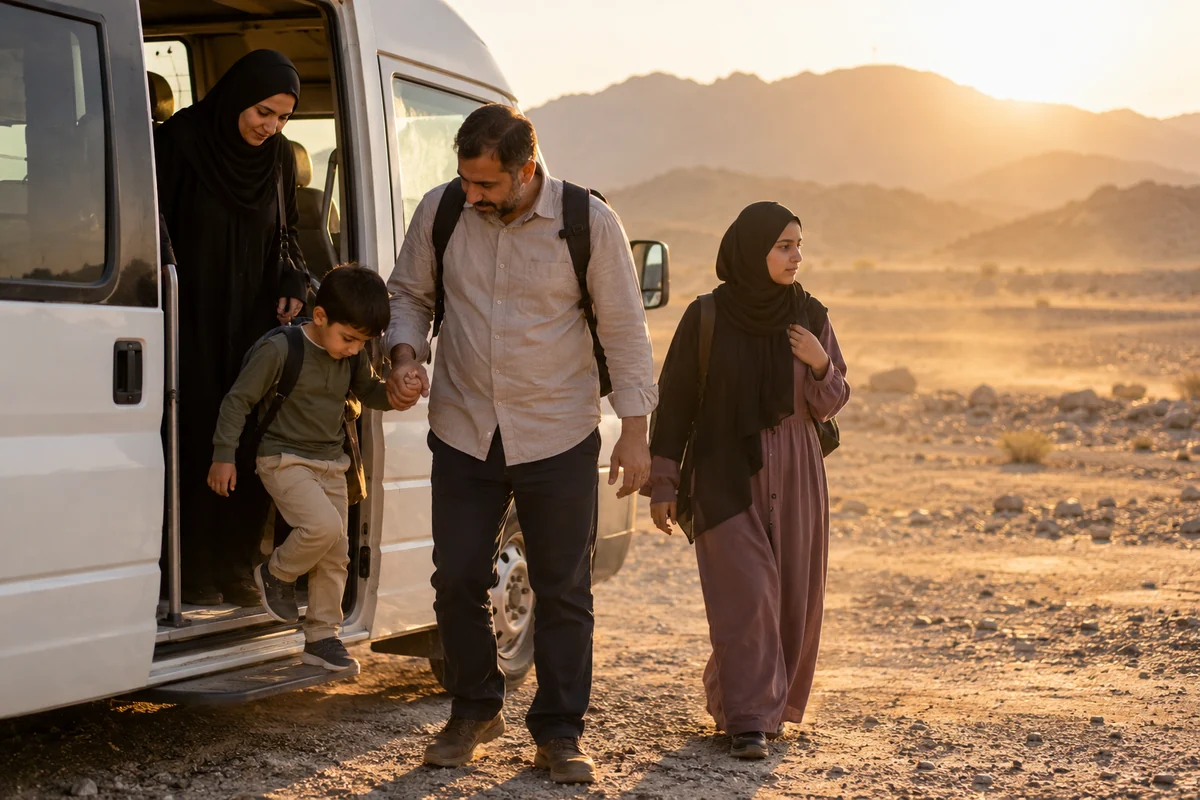
The two tours usually run on separate days, each taking a half-morning or a half-afternoon, so neither eats into your time at the Haram. Below is every site on both routes, what happened at each, and what you will be able to see when you arrive.
Everything on this page is checked against the Quran, a named hadith with its collection and number, or Saudi heritage records. Where a site rests on local tradition we say so in its entry.
Ziyarat Places in Makkah
The Makkah route runs about 2 hours 30 minutes and covers eleven sites. Several are seen from the vehicle as you pass rather than on foot, which is noted against each one.
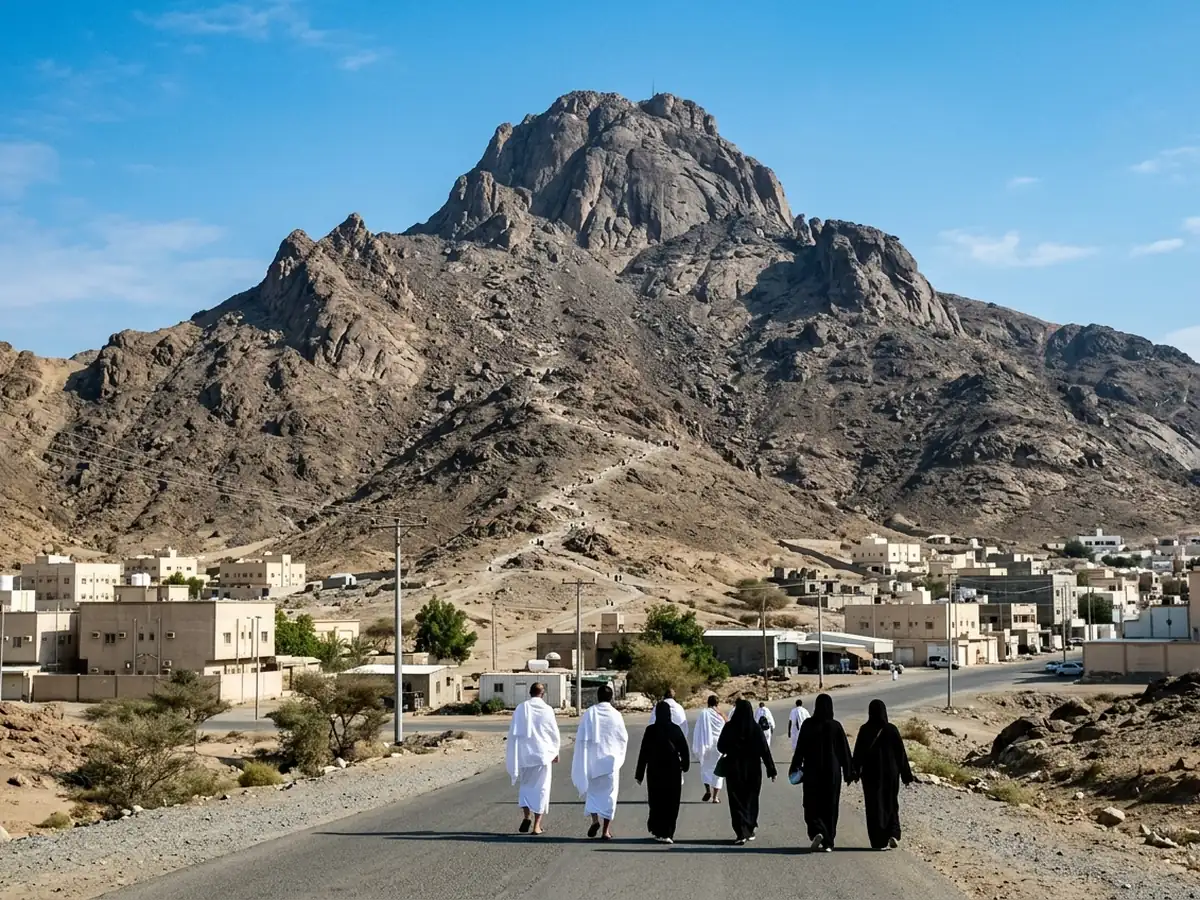
1. Jabal al-Thawr (Mount Thawr) جبل ثور
The Prophet Muhammad (peace be upon him) and Abu Bakr (may Allah be pleased with him) sheltered in a cave on this mountain for three nights during the migration to Madinah. Sahih al-Bukhari 3905 names the mountain and describes how they were supplied with food and news while they hid, and how a guide led them on to Madinah. Quran 9:40 refers to the two of them in the cave without naming it.
The cave sits high on the mountain and the climb is long and steep, so the tour views Jabal al-Thawr from the road below. It is a ten-minute stop, usually on the way out towards Arafat.
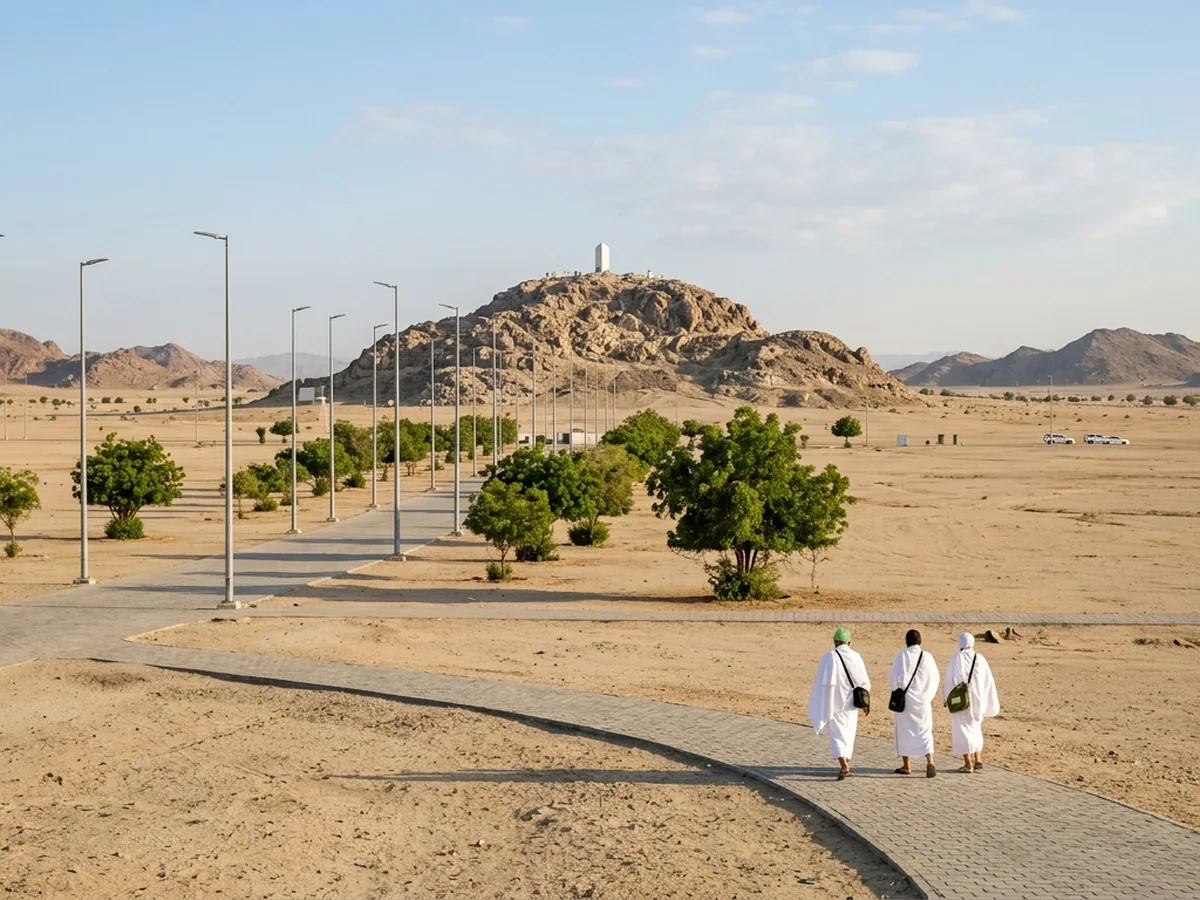
2. The Plain of Arafat عرفات
Arafat is the plain where pilgrims stand on the ninth day of Dhul Hijjah during Hajj. Jami’ at-Tirmidhi 889 records that Hajj is Arafah, and Quran 2:198 refers to the departure from it.
Outside Hajj the plain is quiet and open. Visiting during Umrah is a visit to the place, not the standing of Hajj, which can only be performed on its appointed day.
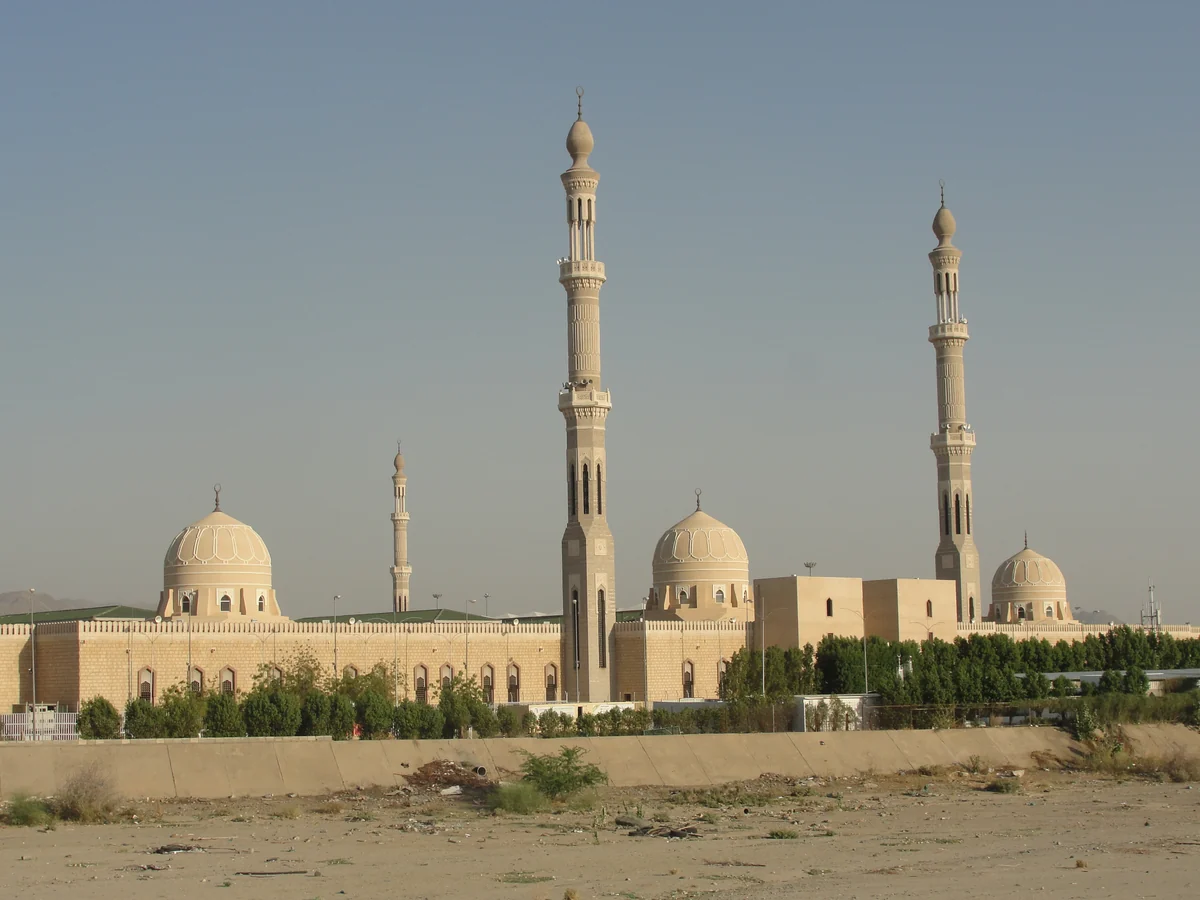
3. Masjid Nimrah مسجد نمرة
Jabir’s account of the Farewell Pilgrimage in Sahih Muslim 1218a describes the Prophet (peace be upon him) stopping at Nimrah, then delivering the sermon in the valley and praying Dhuhr and Asr combined. The mosque standing here now is a later building commemorating that place, not a structure from his lifetime.
The western part of the mosque lies in Wadi Uranah, outside the boundary of Arafat. On the Day of Arafah that matters for where pilgrims stand; on an ordinary Ziyarat visit it does not.
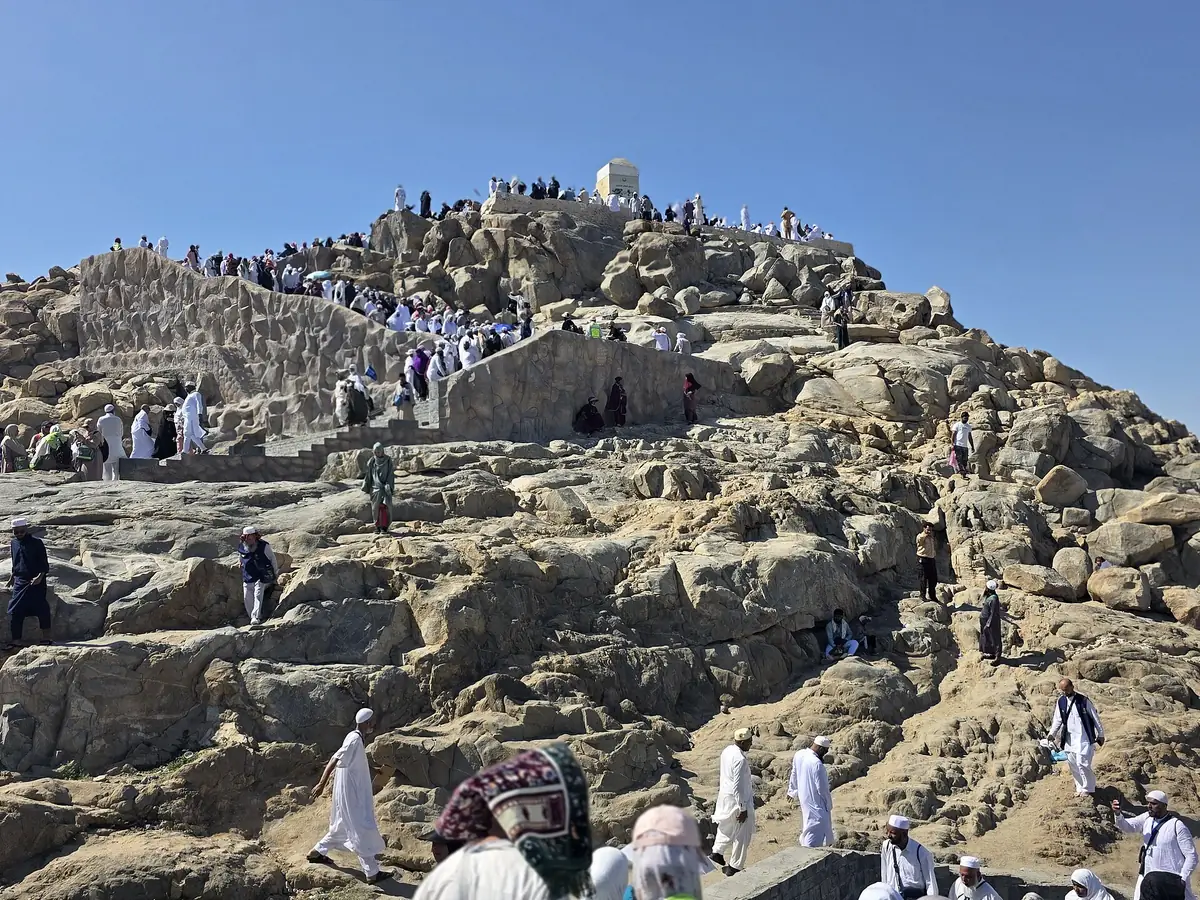
4. Jabal ar-Rahmah (Mount of Mercy) جبل الرحمة
A low rocky hill in the east of Arafat, marked by a tall white pillar that serves as a landmark. Sahih Muslim 1218a places the Prophet (peace be upon him) standing near the rocks here during the Farewell Pilgrimage.
Your guide will point out two things here. The Farewell Sermon was delivered in the valley near Masjid Nimrah rather than on the hilltop. And there is no need to climb: the Prophet (peace be upon him) said “I have stood here, and all of Arafat is a place of standing” (Sahih Muslim 1218c), and scholars including Imam an-Nawawi, Ibn Taymiyyah and Ibn Uthaymeen held that climbing it is not part of the rite.
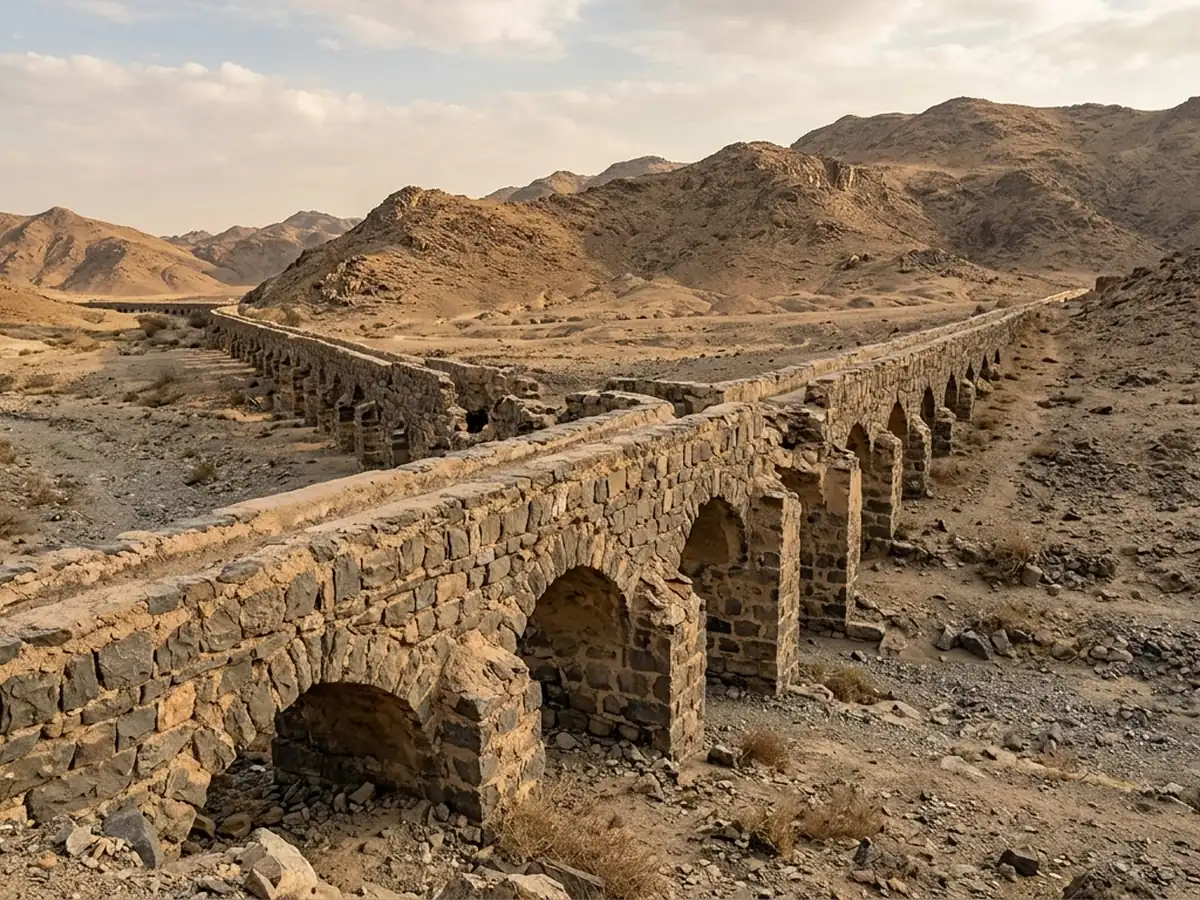
5. Ain Zubaidah عين زبيدة
Zubaidah bint Ja’far, wife of the Abbasid caliph Harun al-Rashid, funded an aqueduct and spring system to bring water to the people of Makkah and to pilgrims. It is a work of engineering and charitable endowment from the Abbasid period rather than a site connected to a Prophetic event.
Ain Zubaidah is a distributed channel rather than a single monument, so there is no one place to stand and see it. It should not be confused with Darb Zubaidah, the pilgrim road from Kufa that also carries her name.
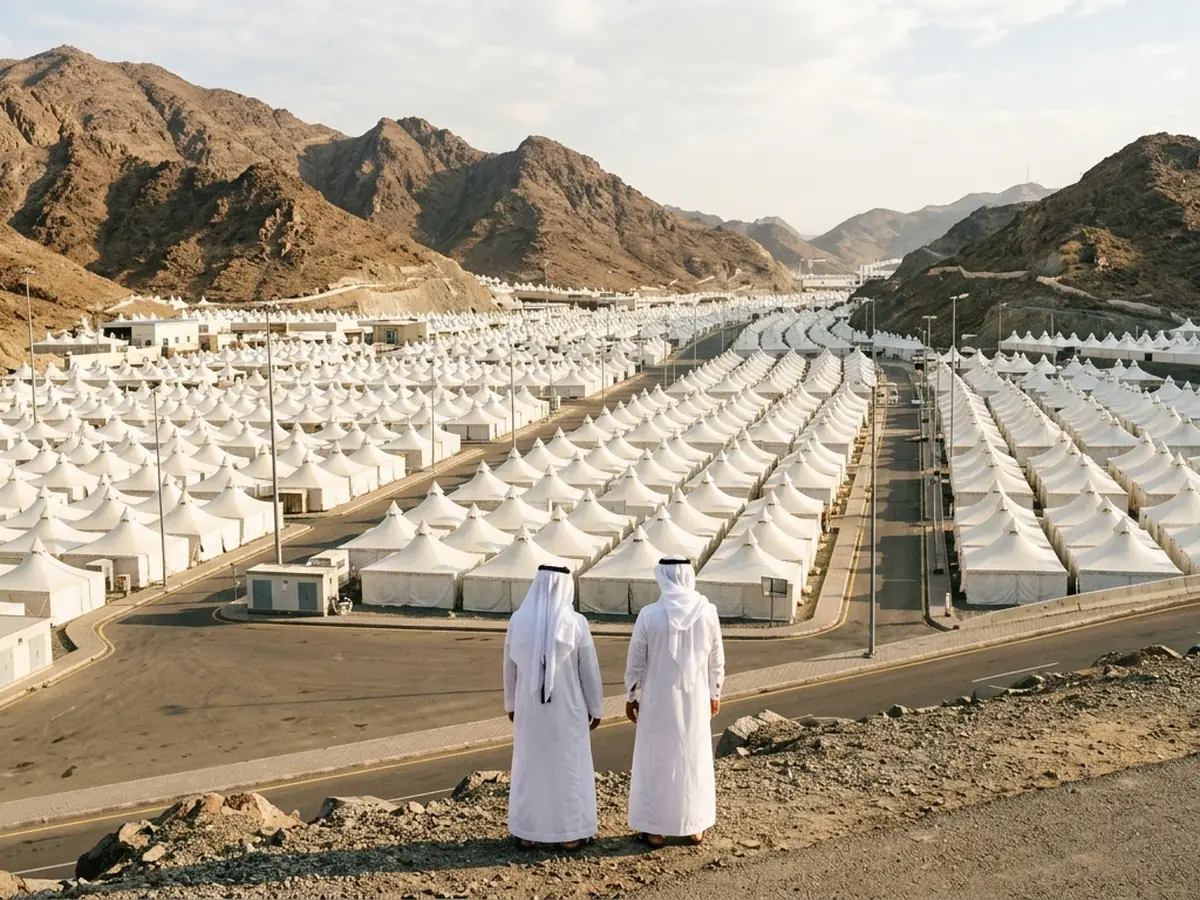
6. Mina منى
The valley where Hajj pilgrims stay and where the Jamarat stoning takes place. Jabir’s account in Sahih Muslim 1218a describes the Prophet’s (peace be upon him) stay here, the stoning at Jamrat al-Aqabah and the sacrifice.
Outside the Hajj season Mina is a vast empty grid of white tents, which is striking in itself.
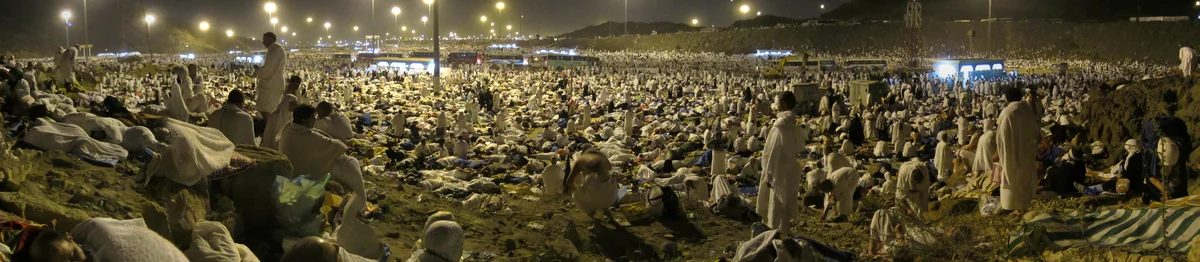
7. Muzdalifah مزدلفة
The open ground where Hajj pilgrims spend the night between Arafat and Mina. Quran 2:198 commands remembrance of Allah at al-Mash’ar al-Haram after leaving Arafat, and Sahih Muslim 1218a describes the Prophet’s (peace be upon him) overnight stop, combined prayers and remembrance here.
Pebbles for the Jamarat are gathered at Muzdalifah; the stoning itself happens at Mina. The two are often confused.
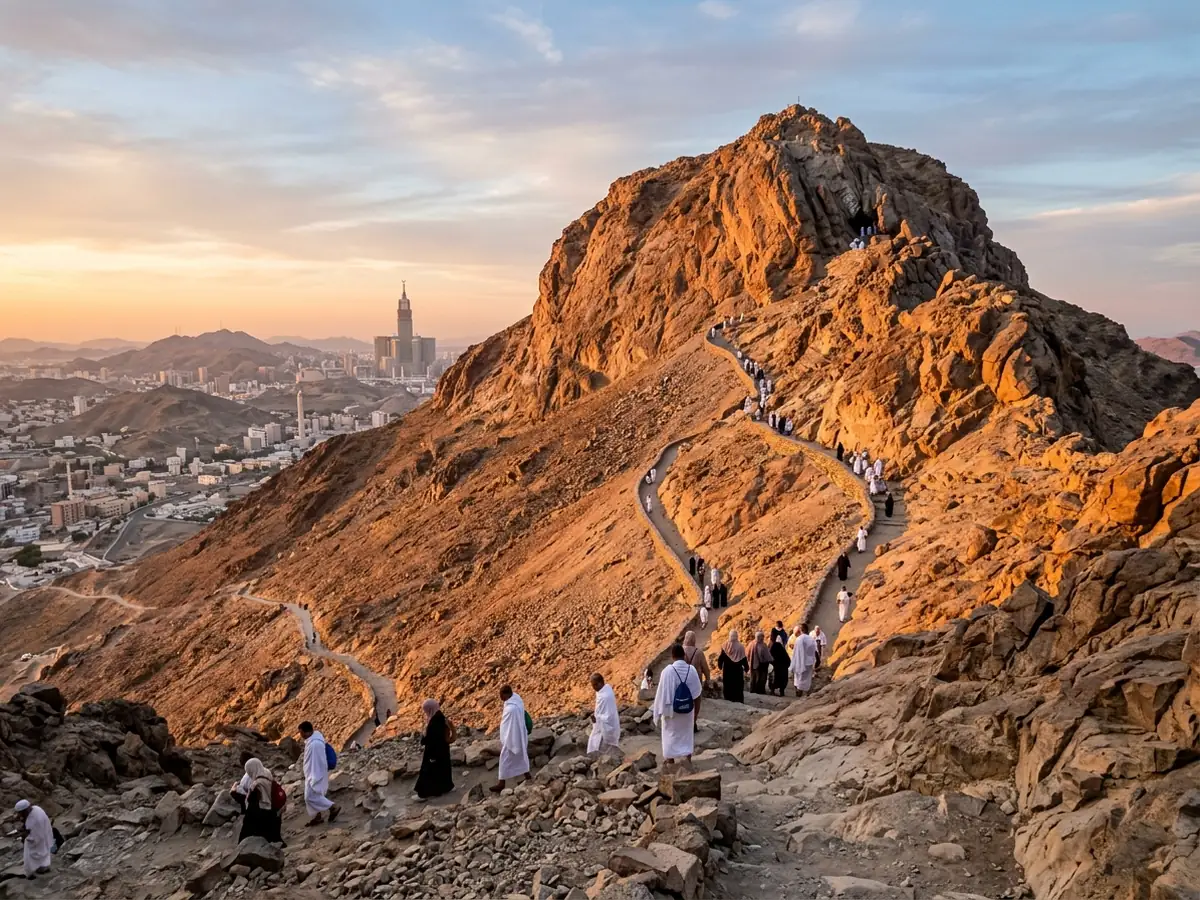
8. The Cave of Hira, Jabal al-Nour غار حراء / جبل النور
Jabal al-Nour, the Mountain of Light, rises 642 m above Makkah. Near its summit is the cave of Hira, where the Prophet (peace be upon him) would withdraw to worship, and where the first revelation came through the angel Jibreel. Aisha’s account of that night is in Sahih al-Bukhari 3, and the verses revealed were the opening of Surah al-Alaq (Quran 96:1–5).
The climb is serious. There are around 1,750 steps to the cave and it takes most people between 45 minutes and three hours each way, on exposed rock with no shade. A Ziyarat tour does not climb it — the stop is at the base for the view. If you want to climb, set aside a separate morning, start at dawn and take water.
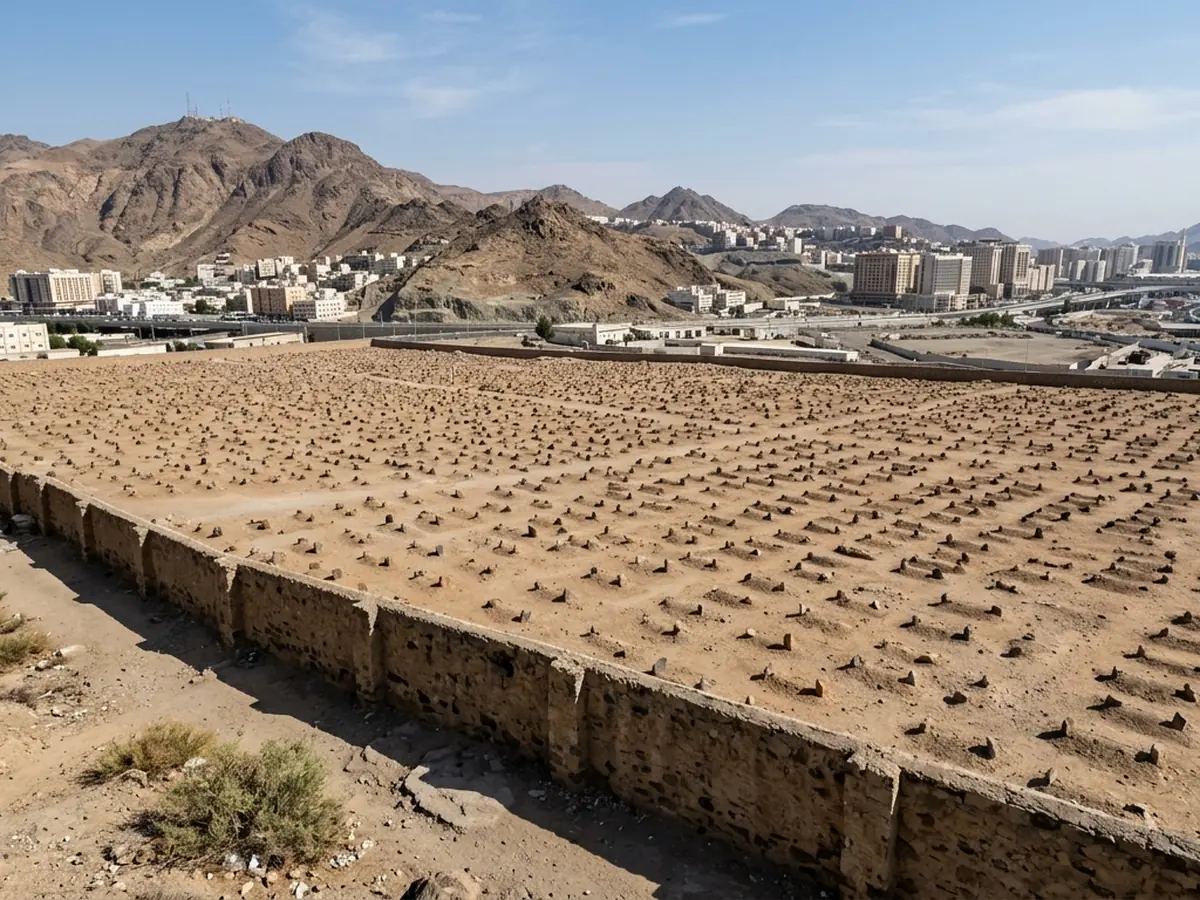
9. Jannat al-Mualla مقبرة المعلاة
The historic cemetery of Makkah, in use since before Islam. Khadijah bint Khuwaylid (may Allah be pleased with her), the Prophet’s first wife, is buried here, as are his uncle Abu Talib, his grandfather Abd al-Muttalib, Asma bint Abi Bakr and Abdullah ibn az-Zubayr (may Allah be pleased with them).
The domed tombs that once stood over the graves were removed in 1925–26, so what you see today is an open burial ground without monuments or marked individual graves. The Prophet’s mother, Aminah bint Wahb, is buried at al-Abwa between Makkah and Madinah rather than here.
Scholars differ on whether women may visit cemeteries: Shaykh Ibn Baz held that they may not, while Egypt’s Dar al-Ifta permits it with appropriate conduct. Separately from that question, access on the day is set by the authorities, so ask your guide before you travel.
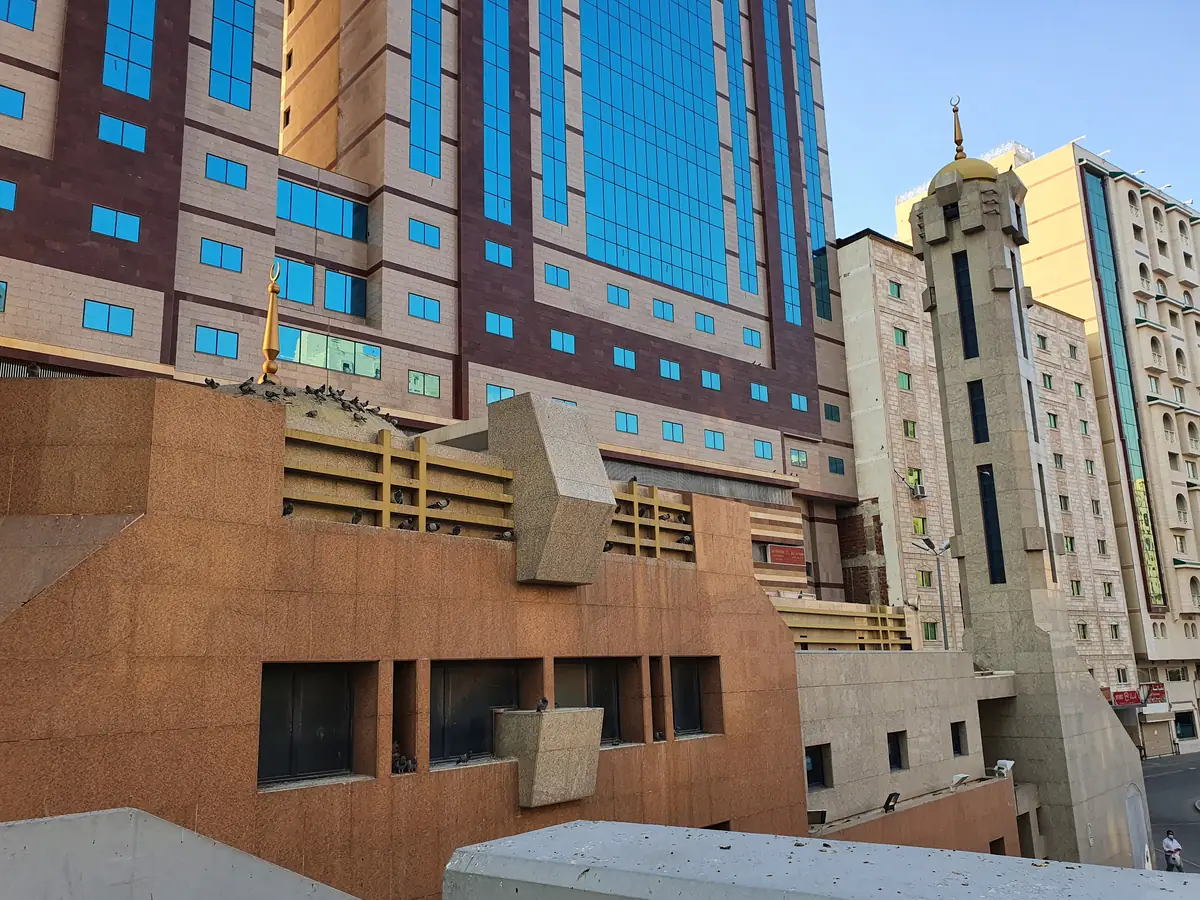
10. Masjid al-Jinn مسجد الجن
Also called Masjid al-Haras, the Mosque of the Guards. It commemorates the tradition that a group of jinn heard the Prophet (peace be upon him) reciting the Quran and accepted Islam. The Quranic account is in Surah al-Jinn (Quran 72:1–2), and Sahih Muslim 450a records an encounter involving recitation to them.
Sahih al-Bukhari 4921 places the listening itself at Nakhla, outside Makkah, so the mosque marks the memory of the event rather than the exact spot. It is seen from the vehicle on the way to Jannat al-Mualla, which stands just beside it.
11. Masjid al-Shajarah (Makkah) مسجد الشجرة
A small historic mosque in the Ma’la quarter, a short distance from Masjid al-Jinn and Jannat al-Mualla. It is known locally as the Mosque of the Tree, after a sign of the Prophet’s (peace be upon him) prophethood that tradition places here.
It shares its name with Masjid al-Shajarah at Dhul Hulayfah near Madinah, which is the miqat where pilgrims travelling from Madinah enter ihram. The two are different places.
Ziyarat Places in Madinah
The Madinah route runs about 2 hours and covers seven sites. Quba is the stop you normally go inside and pray in, so your guide allows extra time there.
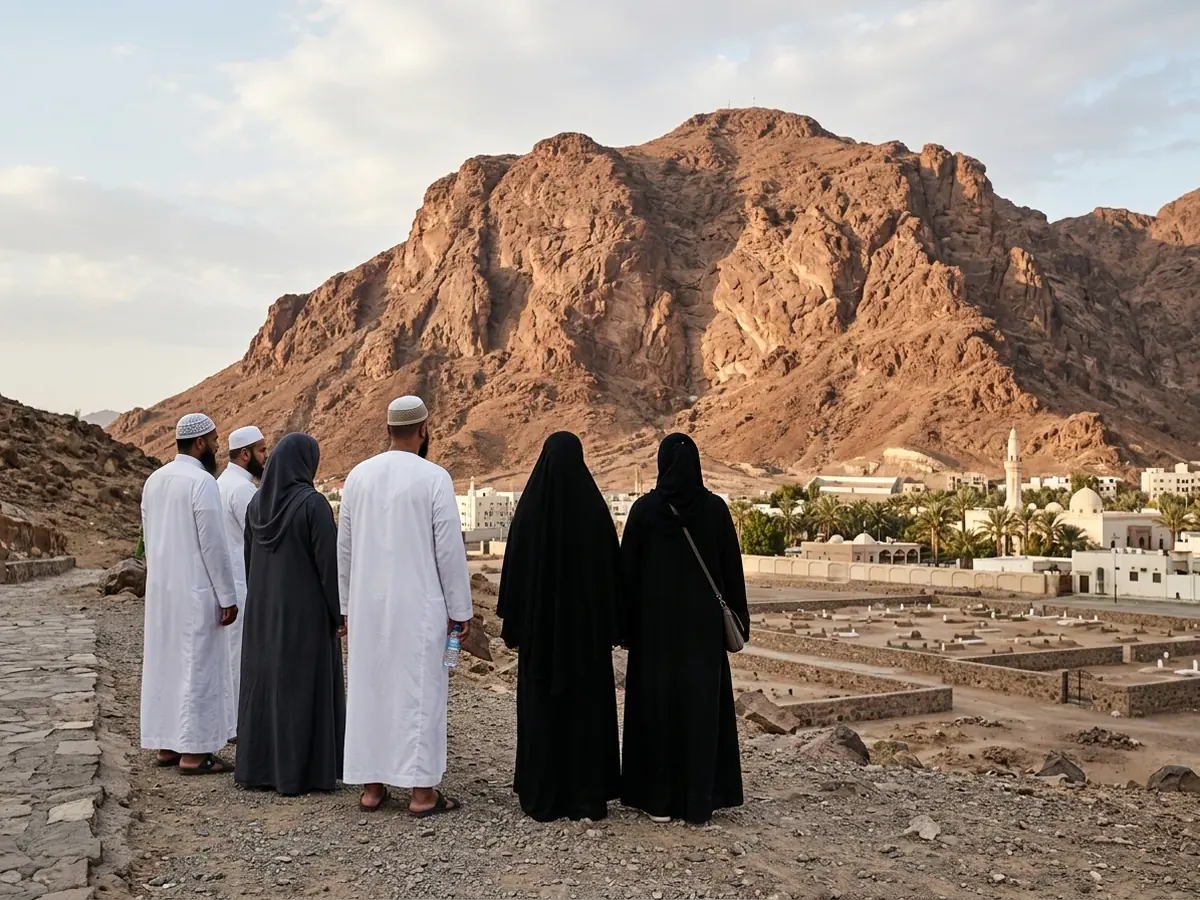
1. Jabal Uhud (Mount Uhud) جبل أحد
The mountain north of Madinah where the Battle of Uhud was fought in 3 AH (625 CE). Around seventy companions were killed, among them the Prophet’s uncle Hamza ibn Abd al-Muttalib (may Allah be pleased with him), and they are buried at the martyrs’ cemetery at the foot of the mountain. The Prophet (peace be upon him) said of it: “Uhud is a mountain that loves us and that we love” (Sahih al-Bukhari 4422).
Three features here are often treated as one: the mountain itself, the smaller Archers’ Hill (Jabal ar-Rumat) where the archers were posted, and the martyrs’ burial enclosure. Tours usually stop at the enclosure and the hill.
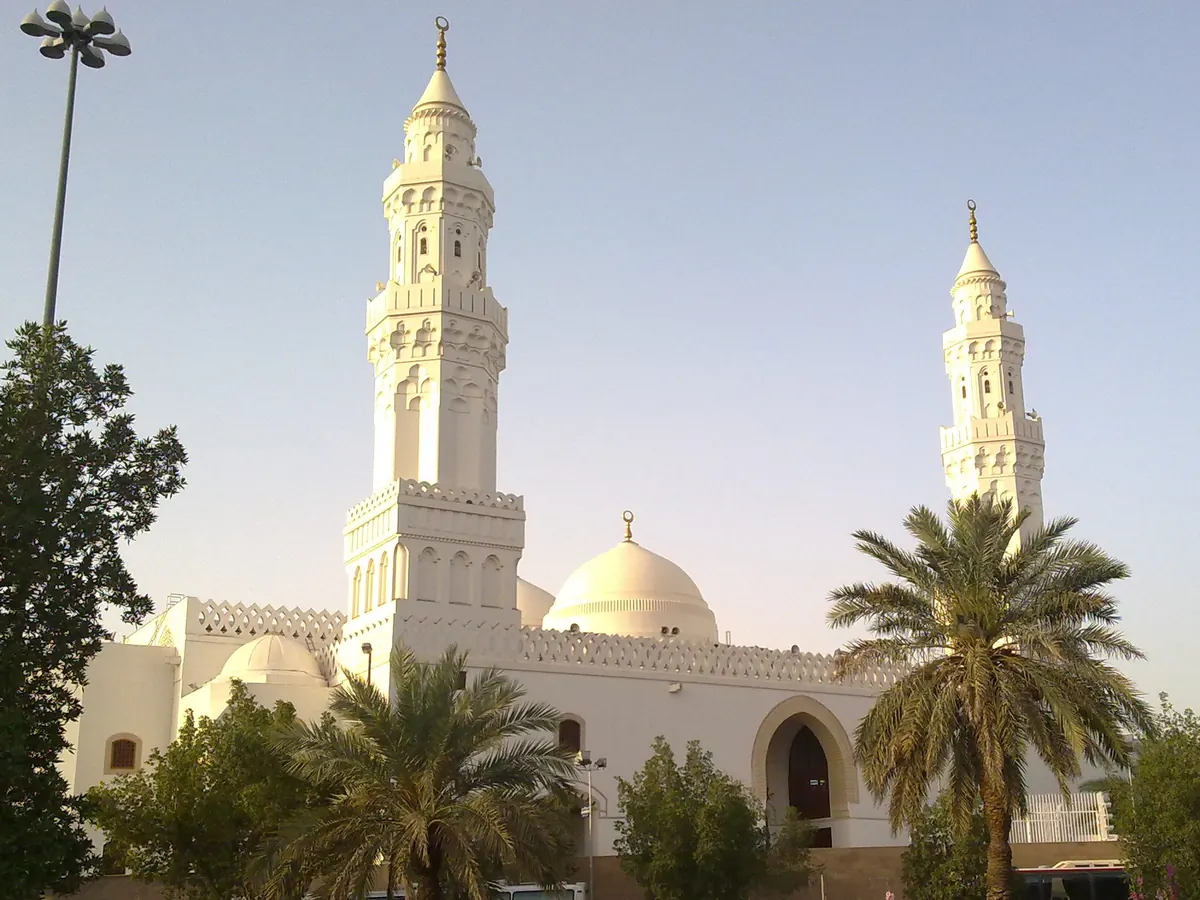
2. Masjid al-Qiblatain مسجد القبلتين
The Mosque of the Two Qiblahs, traditionally held to be where the command came to turn from Jerusalem towards the Kaaba in Makkah. The command itself is in Quran 2:144; the association with this specific mosque comes from historical accounts rather than from the Quran or the sahih collections.
The mosque was rebuilt in 1987 and the old mihrab facing Jerusalem was removed, leaving a small marker where it stood, so you will see one working mihrab rather than two. It is one of the stops you go inside.
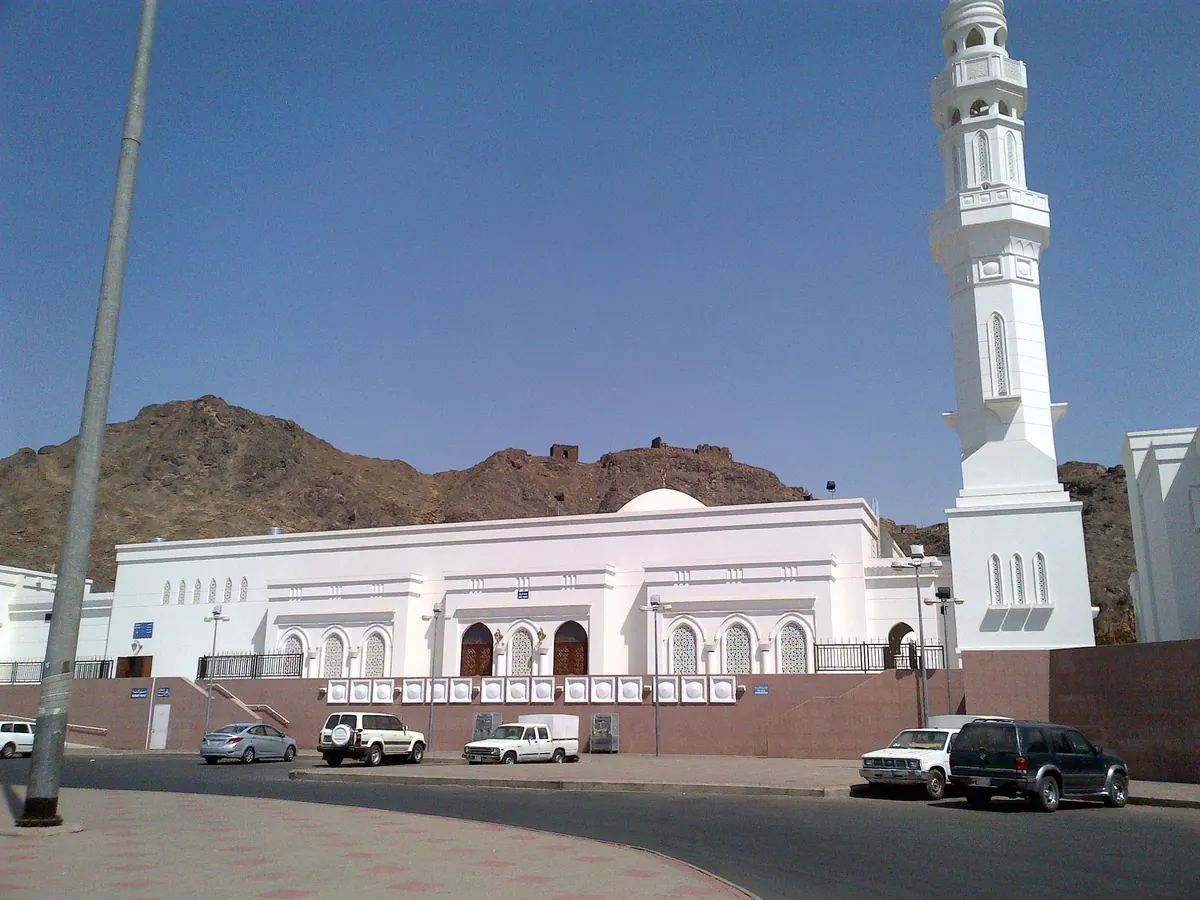
3. The Seven Mosques المساجد السبعة
A group of small mosques on the site of the trench dug to defend Madinah during the Battle of the Trench in 5 AH. The usual list is the mosques of al-Fath, Salman al-Farsi, Abu Bakr, Umar, Ali and Fatimah — six, not seven, with accounts differing on how a seventh is counted.
Most of the small mosques have since been replaced by the large Masjid al-Khandaq that now stands on the site, so expect one substantial mosque and the shape of the old trench rather than seven separate buildings.
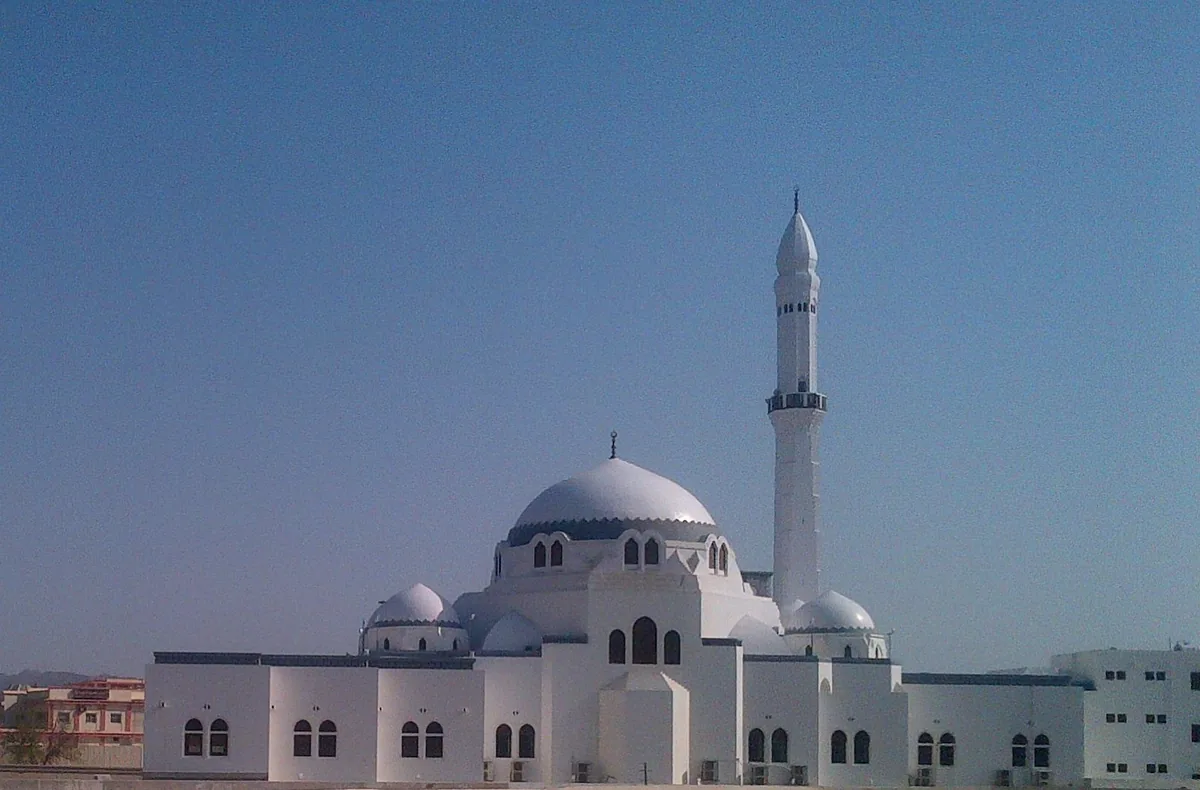
4. Masjid al-Jumu’ah مسجد الجمعة
Also called Masjid Bani Salim. Historical tradition identifies it as the place where the Prophet (peace be upon him) led Friday prayer as he travelled from Quba into Madinah after the migration.
You will hear it called the first Friday prayer in Islam. More precisely it was the Prophet’s own first Friday prayer after reaching Madinah — Sunan Abi Dawud 1069 records an earlier congregation led by As’ad ibn Zurarah (may Allah be pleased with him).
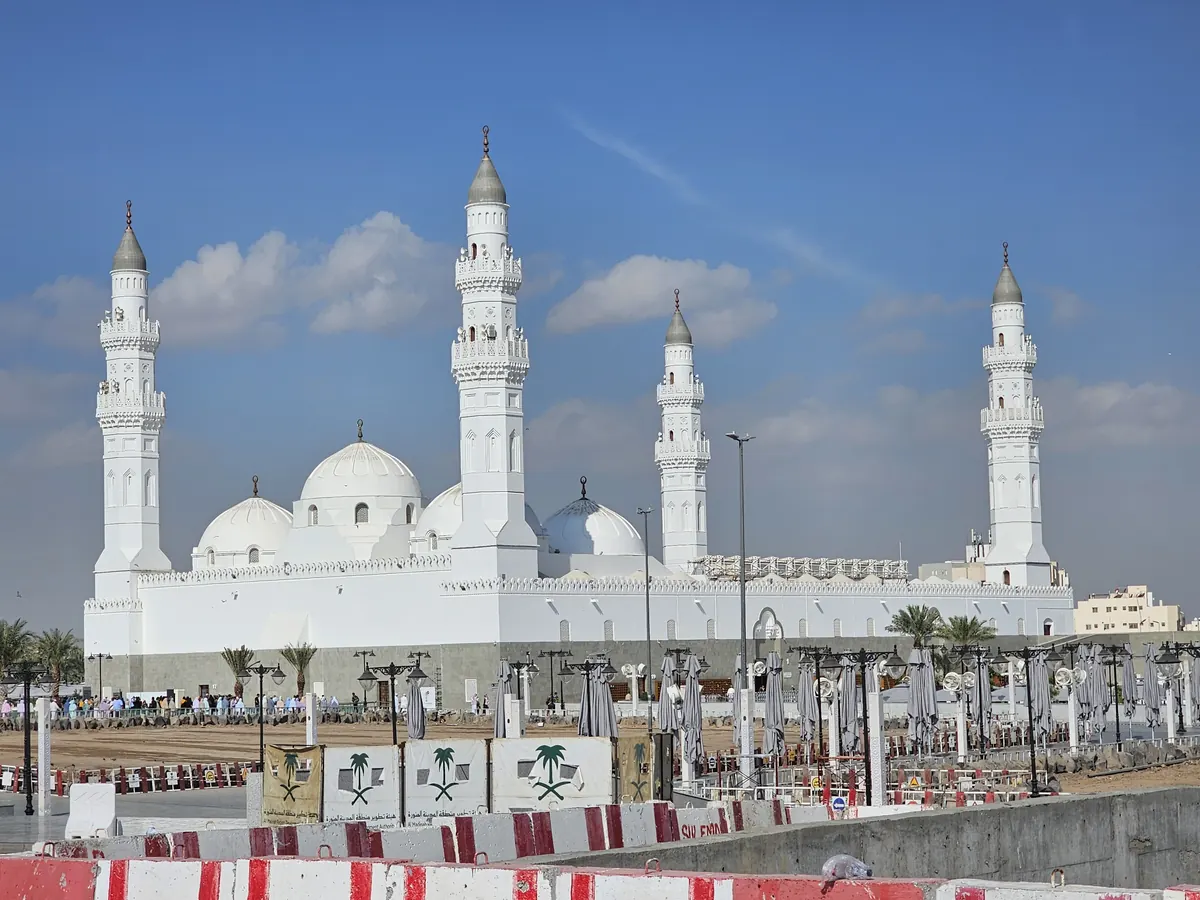
5. Masjid Quba مسجد قباء
The first mosque built in Islam, founded on the Prophet’s (peace be upon him) arrival during the migration in 622 CE. Sahih al-Bukhari 1193 records that he used to go to Quba every Saturday, sometimes walking and sometimes riding. Sunan Ibn Majah 1412 records that whoever purifies himself at home, then comes to Quba and prays there, has a reward like that of an Umrah.
This is the one stop on the Madinah route where you normally go inside and pray, so your guide allows time for two rak’ah. The reward described is a reward for the prayer; it does not stand in place of performing Umrah.
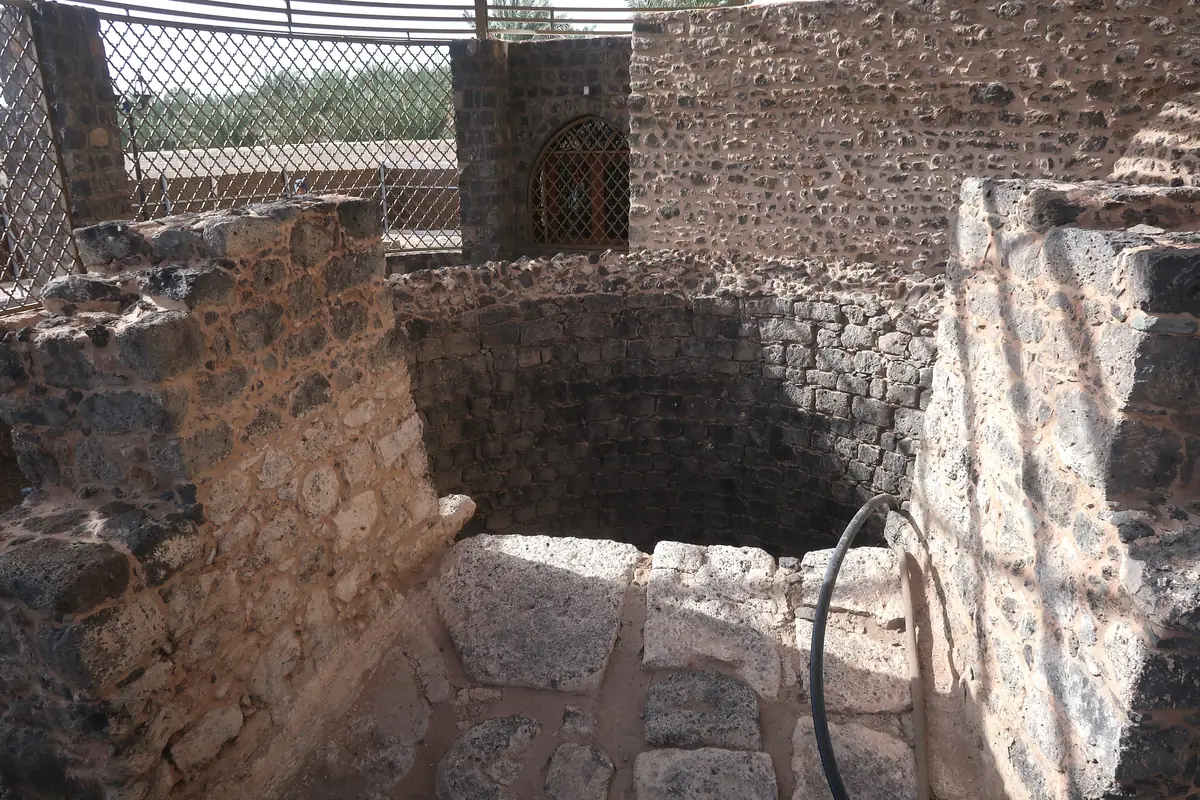
6. Bir Ghars (the Ghars Well) بئر غرس
A historic well in the Quba area, recorded in the histories of Madinah as one the Prophet (peace be upon him) drank from.
A tradition also links the well to his washing after death, recorded in Sunan Ibn Majah 1468 and graded weak by the hadith scholars. It is a brief stop seen in passing on the way to or from Quba.
7. The garden of Salman al-Farsi بستان سلمان الفارسي
Salman al-Farsi (may Allah be pleased with him) was freed from slavery under an agreement to plant date palms and pay a weight of gold, and the Prophet (peace be upon him) helped him meet it. A farm and well in this part of Madinah, al-Fuqayr, carry his name in Saudi heritage records.
It is a quiet, green stop and a gentle place to end the Madinah route — date palms, shade and a story most people know but few have stood in.
What a Ziyarat Tour Is Actually Like
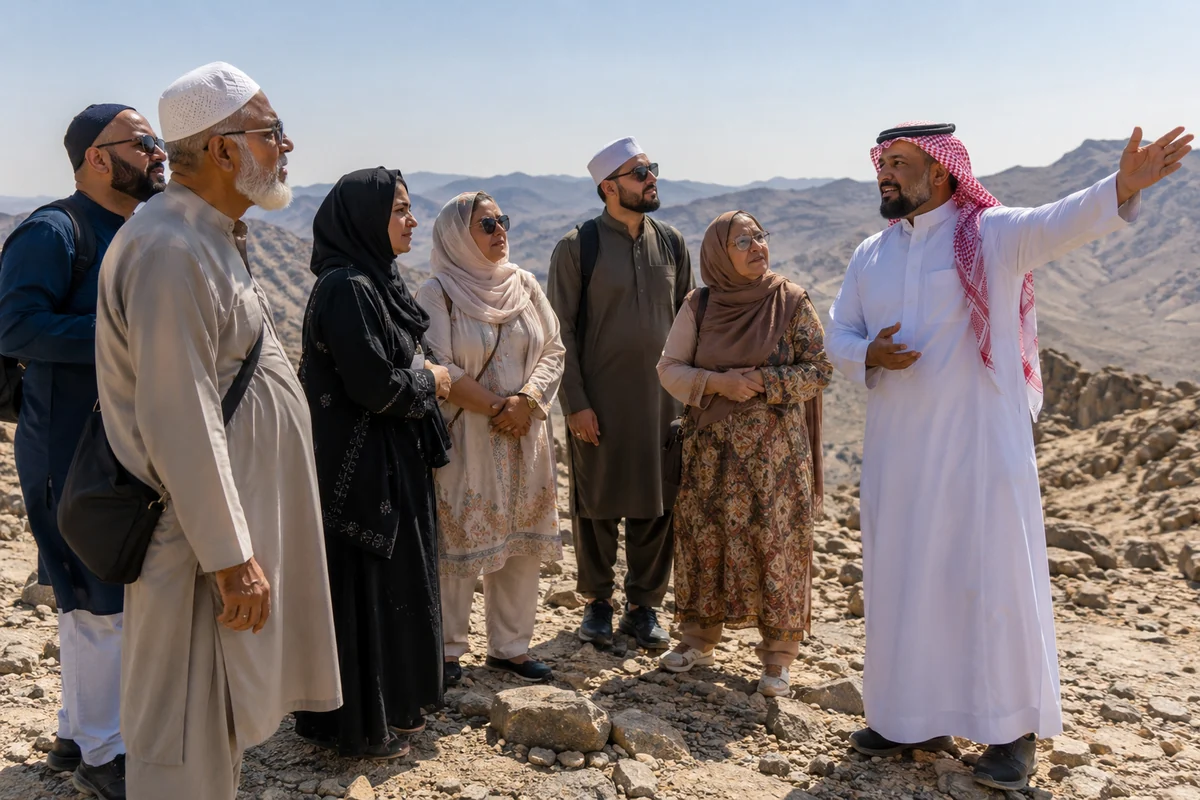
- How long. About 2 hours 30 minutes in Makkah and 2 hours in Madinah, normally on separate days, as a half-morning or half-afternoon each.
- Not every site is a stop. Roughly half the Makkah sites are seen from the vehicle. You get out at Arafat, Jabal ar-Rahmah and Jannat al-Mualla; you pass Mina, Muzdalifah, Masjid al-Jinn, Ain Zubaidah and Masjid al-Shajarah.
- No climbing. Neither Jabal al-Nour nor Jabal al-Thawr is climbed on the tour; both are viewed from the base. The climb to the cave of Hira is around 1,750 steps and takes most people 45 minutes to three hours each way, so it needs a separate morning.
- Going inside. Quba and Masjid al-Qiblatain are normally entered. Masjid Nimrah and Masjid al-Jumu’ah are usually seen from outside.
- The order moves. Traffic and prayer times decide the route on the day.
- What to wear. Ordinary modest dress — ihram is not needed for Ziyarat. Closed shoes, as several sites are on rough ground.
- Take water and a hat. There is little shade at Arafat, Uhud or Jabal ar-Rahmah.
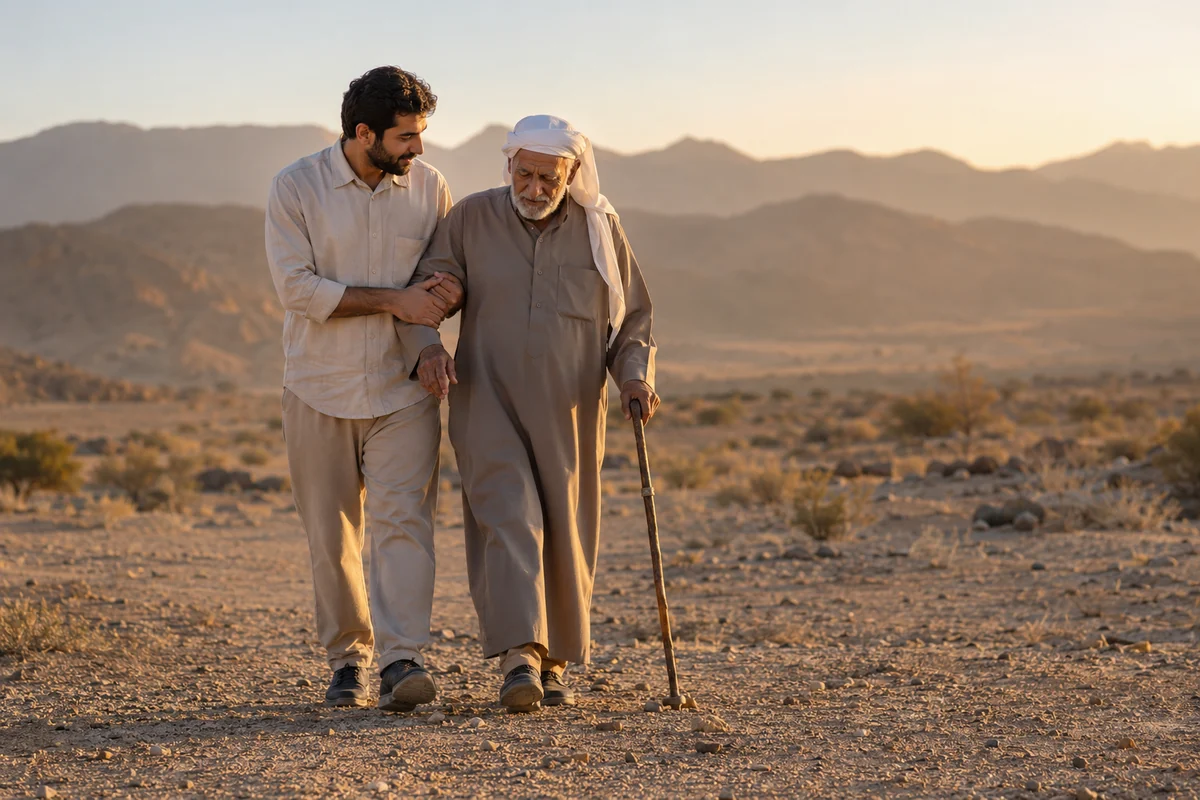
- Travelling with elderly parents? Tell us when you book and the guide sets a slower pace with fewer walking stops.
Book Your Ziyarat With Insha Travel
Private, not a shared coach
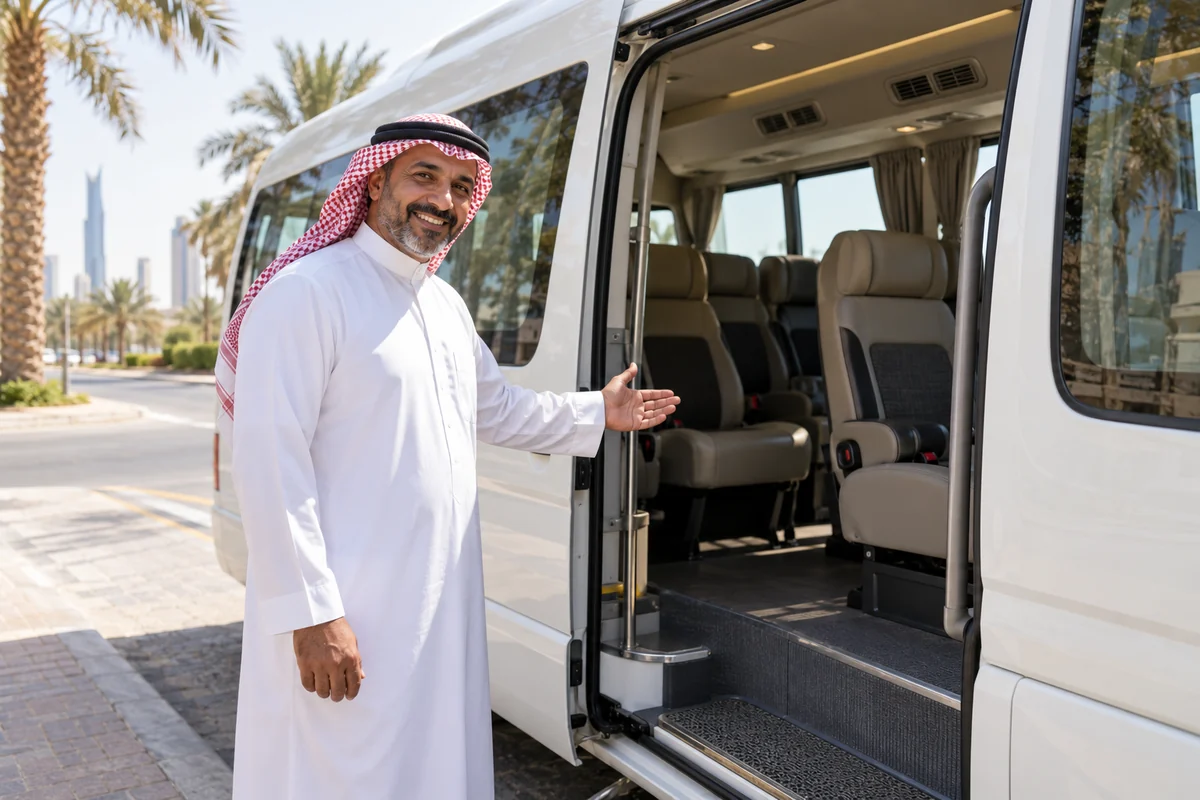
Your group travels in its own air-conditioned vehicle with its own guide. You are not waiting on forty other people at every stop, and the pace is yours.
A guide in both cities
The same arrangement in Makkah and in Madinah, so you are not left working out what you are looking at from a leaflet.
Umrah since 1989
Insha Travel is the Hajj and Umrah brand of Times Travel Ltd. We have been arranging Umrah for British families since 1989.
ATOL protected, IATA accredited
Your package is financially protected under ATOL 74904, and we are IATA accredited (91245302). Check the ATOL licence yourself on the CAA register.
Included, or added on
Ziyarat in both cities is included on our 4-star 10- and 14-night, 5-star and luxury packages, and on the fixed-date deals that list it in their inclusions. Each package page says which applies.
On the 3-star and economy packages, and the 4-star 7-night package, it is available as an add-on, quoted against your dates when you enquire. Tell us how many are travelling and which city you want to start in, and we will price it alongside your package.
Image credits
Photographs marked public domain (CC0) need no credit and are shown for reference. Photographs credited beneath them come from Wikimedia Commons under Creative Commons licences; they have been resized and converted to WebP and are otherwise unaltered. Images marked illustrative image are AI-generated: they show the setting of a site or a typical trip, and are not photographs of it.